Why System Integrators Choose OEM Hardware Over Tier-1 Brands – The Business Case for White-Label Fleet Computing
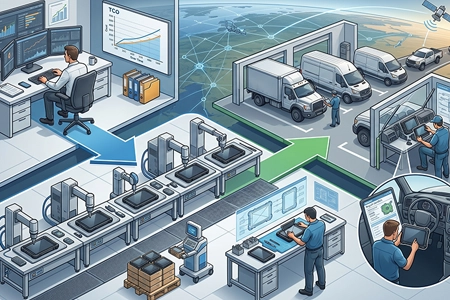
A system integrator building a fleet solution faces one decision that shapes the next five years of margin, client control, and growth trajectory. Buy tier-1 hardware and resell it. Or partner with an OEM manufacturer and own the hardware brand.
The decision isn't about specs.
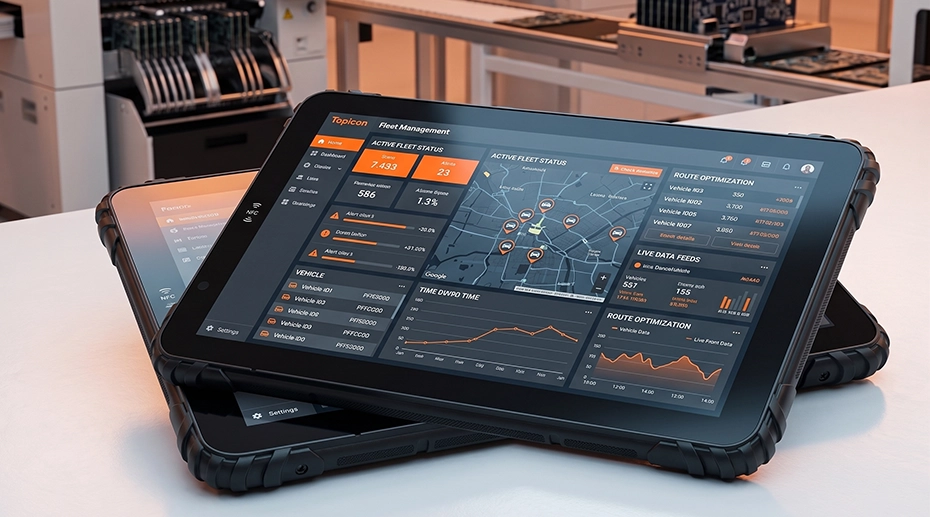
Table of Contents
1. The Strategic Question
System integrators who build sustainable, high-margin businesses around fleet hardware tend to make three strategic decisions early:
They control the supply chain, not the other way around
They structure hardware as a recurring revenue stream, not a one-time resale
About This Article
TOPICON Business Strategy Series
Based on conversations with system integrators, fleet solution providers, and OEM partners across logistics, public safety, field service, and industrial automation. This series examines the business decisions behind hardware strategy — not the technical specifications. For a complete in-vehicle terminal platform ready for white-label deployment, TOPICON's OEM program supports the full hardware lifecycle.
2. The Margin Problem with Tier-1 Hardware
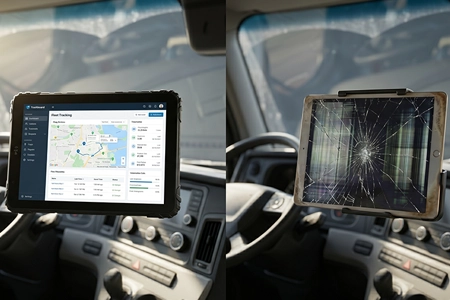
An integrator resells a tier-1 brand tablet. The client Googles the model number. Finds five other resellers offering the same hardware. The margin on that device is transparent, compressed, and constantly exposed to competing bids.
This isn't a problem for the tier-1 manufacturer. It's their model — sell through distribution, let resellers compete on price, drive volume. But for the integrator, whose primary value is the solution — the software, the integration, the deployment services — the hardware line item becomes the most visible, most comparable, and most margin-eroded part of the proposal.
An OEM hardware platform changes the dynamic.
The device carries the integrator's brand — or is presented as a purpose-built component of the solution. The client can't Google the model number. The hardware cost is embedded in the solution price. The integrator captures the margin that would otherwise go to the tier-1 brand's distribution chain.
This isn't about selling cheaper hardware. A tier-1 industrial tablet carries costs the integrator pays for but never benefits from: brand marketing budgets, multi-layer distribution margins, retail packaging design, and shareholder return expectations. An OEM platform strips those costs out of the bill of materials. The components come from the same global supply base. The difference is structural — not qualitative.
What this means in practice: A tier-1 device resold at a thin margin becomes a line item the client negotiates. An OEM device integrated into a per-vehicle solution package — software, installation, support — becomes a value proposition the client can't unbundle. White-label OEM programs designed for system integrators provide the foundation for this margin structure.
3. Who Controls the Hardware Relationship
Deploy a tier-1 brand tablet to a client, and you introduce a third party into the relationship. That manufacturer has its own support portal, its own warranty process, its own RMA workflow. The client eventually contacts the manufacturer directly. The manufacturer can introduce the client to another integrator.
Your hardware supplier becomes your competitor's lead source.
With an OEM platform, the integrator is the single point of contact. Hardware support goes through your help desk. Warranty claims go through your RMA process. Replacement devices come from your spare pool. The client never speaks to the manufacturer. For fleet solutions built on a dedicated in-vehicle terminal platform, this direct control extends from deployment through the entire operational lifecycle.
Contract renewals hinge on this: If the client's relationship is with the hardware brand, the renewal conversation is about whether to keep the same hardware or switch. If the client's relationship is with the integrator, the renewal conversation is about whether to continue the solution. The integrator who owns the hardware relationship owns the renewal.
4. When Your Hardware Matches Your Software
An integrator's competitive advantage is the solution — the software platform, the integration expertise, the industry-specific workflows. A generic tier-1 tablet dilutes that advantage. The client sees a Zebra device running someone's software.
An OEM platform lets the hardware reflect the solution. Boot screen with the integrator's logo. Custom I/O matching the software's peripheral requirements. Pre-loaded applications ready before the device ships. MDM-enrolled with the integrator's own policies. The client doesn't see "a rugged tablet running dispatch software." They see a purpose-built dispatch terminal.
What OEM Hardware Customization Enables
Branding That Stays in the Cab
Your company logo on the device and boot screen. Custom packaging. The hardware carries your identity. When drivers see the device every day, they see your brand.
I/O Configured at the Factory
CAN Bus channels, RS232 ports, GPIO triggers, barcode scanner, RFID reader — configured to match your software's peripheral requirements before shipping. No adapters. No dongles. Peripheral integration that's built-in, not bolted on.
Pre-Loaded, Driver-Ready
Tablets arrive with your application installed, MDM-enrolled with your policies, configured for your deployment environment. Unbox, power on, start working. Deploy your own branded fleet tablets →
Supply Chain You Control
With a tier-1 brand, you buy what's available. With an OEM platform, the manufacturer commits to multi-year hardware supply continuity — same model, same form factor, same accessories. Your deployment plan doesn't get disrupted by a product line refresh you didn't see coming. Build your white-label fleet platform →
5. Hardware-as-a-Service Requires Hardware You Control
The most profitable integrators don't sell hardware. They sell outcomes — uptime, compliance, support — as a monthly service. The client pays a per-vehicle fee that includes the device, installation, spares, support, and the planned refresh. The integrator owns the hardware throughout the contract.
This model only works with OEM hardware. Tier-1 brands sell through distribution channels the integrator doesn't control. You can't structure a HaaS arrangement around hardware with unpredictable supply, lifecycle, and pricing.
The math is straightforward: Selling devices outright generates one-time hardware revenue. A HaaS model at a monthly per-vehicle rate generates recurring revenue over the contract term — and the client treats it as an operating expense, not a capital outlay. The hardware becomes a platform for recurring revenue, not a one-time transaction. Structuring hardware refresh cycles within HaaS contracts locks in renewal revenue years in advance.
6. When Tier-1 Hardware Is the Right Choice
OEM platforms are not the right answer for every project.
The client mandates a specific brand. Government contracts, enterprise RFPs, and regulated industries sometimes specify approved hardware lists. The integrator's hardware preference is secondary to winning the contract.
The project is too small to justify OEM development. Deployments under 10-15 units may not justify the upfront engineering involved in OEM customization.
The integrator doesn't want to manage hardware. Some integrators prefer to focus exclusively on software and services, leaving hardware procurement to the client or a third-party reseller.
7. Frequently Asked Questions
Is white-label hardware more expensive than tier-1 brands?
Per unit, white-label OEM hardware costs significantly less than comparable tier-1 devices. The tier-1 price includes brand amortization, distribution margins, retail packaging, and consumer-facing marketing — costs that add zero operational value in a B2B fleet deployment. OEM hardware delivers equivalent industrial specifications without those overhead costs. Request your OEM pricing comparison →
Will my clients accept non-branded hardware in a fleet deployment?
When the hardware is presented as a component of an integrated solution — not as a standalone device — the brand on the device matters far less than the brand on the solution. The client is buying fleet visibility, ELD compliance, or dispatch efficiency from your company. The tablet is the tool that delivers it.
What about warranty and support for OEM hardware?
OEM hardware platforms designed for enterprise deployment include advance replacement warranties, multi-year spare parts availability, and direct engineering support. The integrator manages the warranty process, keeping control of the client relationship while the manufacturer supports the integrator. Discuss OEM warranty and support →
How does TOPICON support system integrators who want to transition to OEM hardware?
TOPICON provides white-label branding, custom I/O configuration, pre-loaded software, MDM pre-enrollment, advance replacement warranty, and multi-year hardware supply continuity — all designed to help system integrators build their own branded hardware offerings. Start your OEM partnership →
Ready to Build Your Own Branded Hardware Platform?
TOPICON's OEM partnership program provides white-label rugged tablets with custom branding, pre-loaded software, MDM pre-enrollment, and multi-year supply continuity — built for system integrators who want to own their hardware strategy.
Related Business & Strategy Resources