Rugged Mobile Data Terminals for Bus Tracking and Public Transport Fleet Management
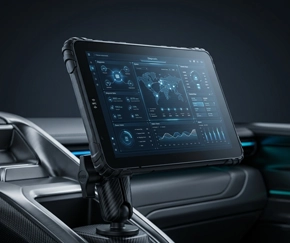
Modern public transport fleets rely on rugged in-vehicle computing to deliver real-time tracking, driver communication, and passenger information. At the core of every reliable bus tracking system is a purpose-built mobile data terminal — engineered for continuous operation in demanding transit environments.
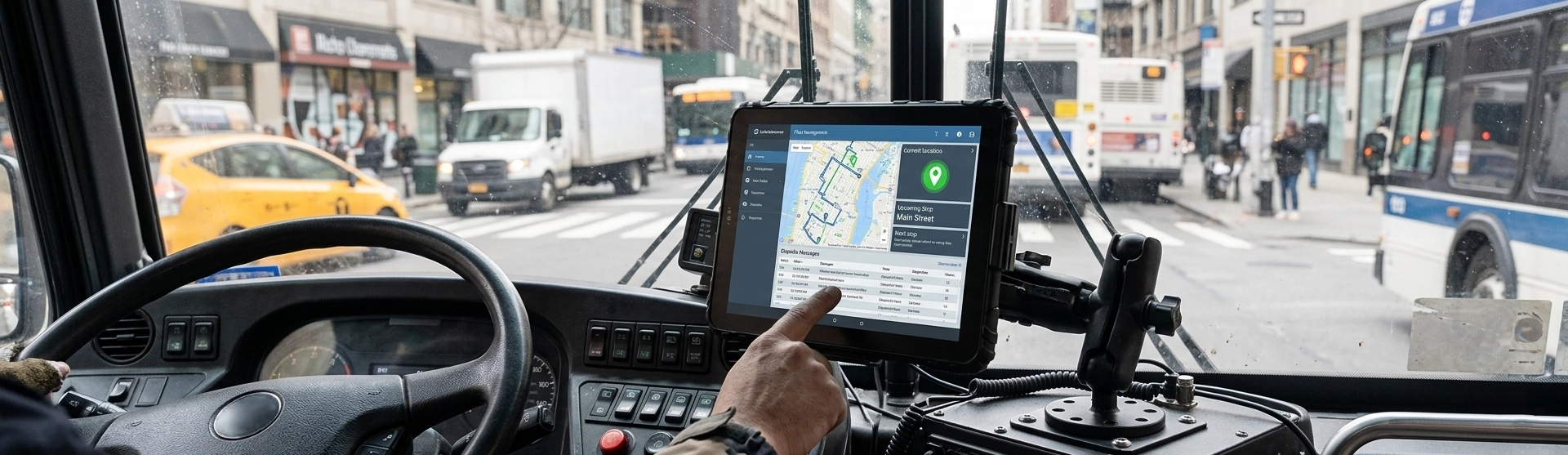
Table of Contents
1. Introduction — Hardware Platforms Behind Bus Tracking Systems
Modern public transport fleets increasingly rely on real-time data to improve operational efficiency, passenger safety, and service reliability. At the core of these digital systems is the onboard hardware platform — specifically, the rugged mobile data terminal (MDT) installed in buses.
A bus tracking system depends on vehicle hardware to collect GPS positioning, enable driver communication, transmit vehicle telemetry, and connect with fleet dispatch platforms. The MDT serves as the central in-vehicle computing device, ensuring that data flows seamlessly between the bus and the fleet management center. For transit authorities planning a system-wide rollout, a rugged vehicle data terminal provides the computing backbone that keeps every bus connected to the control room.
For public transport operators, selecting the right mobile data terminal is essential for building reliable and scalable bus tracking systems.
2. Bus Tracking System Architecture
A typical bus tracking system consists of multiple layers, with the mobile data terminal positioned as the vehicle edge computing device. The in-vehicle computing hub collects positioning data, processes it locally, and transmits critical information to the backend — reducing latency and keeping the fleet visible at all times.
The MDT acts as the vehicle edge computing device, collecting data from GPS modules, vehicle sensors, and driver inputs, then transmitting it to the central fleet management platform. This architecture enables real-time bus tracking, route monitoring, and operational visibility across the entire public transport fleet.
3. Why Mobile Data Terminals Are Critical for Bus Fleet Tracking

3.1 Real-Time Vehicle Location Monitoring
Rugged MDT devices continuously collect GPS data, enabling accurate route tracking and real-time location updates for fleet managers and passenger information systems.
3.2 Driver Communication and Dispatch
Two-way messaging between drivers and dispatch centers allows instant route updates, schedule changes, and emergency alerts, improving overall fleet coordination. A transit fleet computing solution consolidates all driver communication channels into one rugged interface.
3.3 Vehicle Data Integration
Modern MDTs support integration with CAN bus, OBD systems, and onboard cameras, providing fleet managers with valuable vehicle diagnostics and safety monitoring data.
3.4 Edge Computing for Fleet Systems
As edge computing devices, mobile data terminals process vehicle data locally, support fleet software applications, and integrate multiple sensors — reducing latency and improving system reliability.
4. Key Hardware Requirements for Bus Tracking MDT Devices
Rugged Vehicle Design
Engineered to withstand vibration, temperature changes, and continuous vehicle operation.
Sunlight Readable Display
1000+ nits brightness ensures clear visibility in bright bus cabins.
Reliable Wireless Connectivity
4G/LTE, WiFi, Bluetooth, and GNSS for continuous data transmission.
Multiple Peripheral Interfaces
CAN bus, RS232, USB, and camera inputs for vehicle system integration — the same interfaces found in a hardwired in-dash computing station used in commercial fleets.
Flexible Vehicle Mounting
Dashboard mounts, vehicle docks, and anti-vibration designs for secure installation.
Long-Term Lifecycle Support
Industrial tablets designed for fleet deployment with 5-7 year product lifecycles.
5. Integration with Public Transport Systems
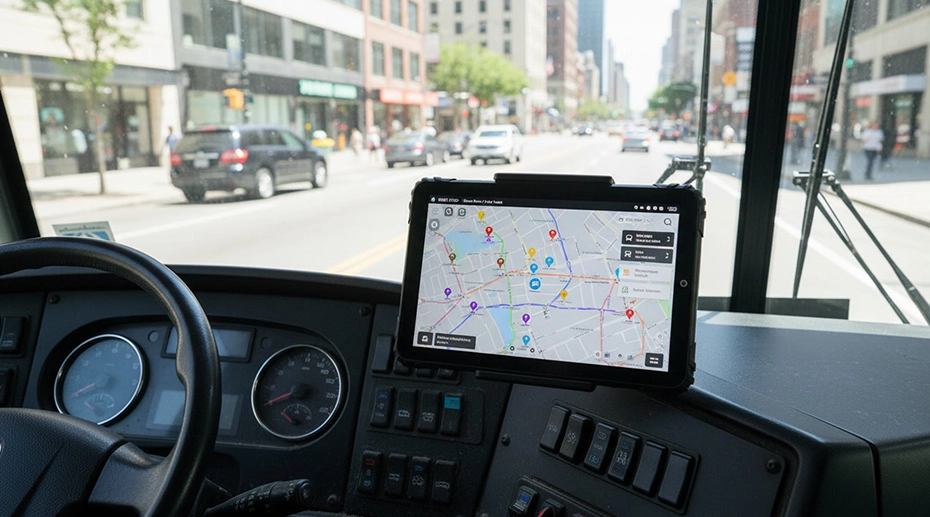
Rugged mobile data terminals serve as the hardware foundation for multiple public transport systems:
Fleet Management Platforms
Real-time vehicle monitoring, dispatch systems, and operational analytics.
Passenger Information Systems
Real-time arrival displays, next-stop announcements, and mobile app integration.
Video Surveillance Systems
Integration with onboard cameras for passenger safety and incident recording.
Smart City Transportation
Connectivity with urban mobility platforms and traffic management systems.
6. Use Cases in Public Transport Operations
Real-Time Bus Tracking
Continuous GPS monitoring provides accurate vehicle locations for fleet managers and passengers.
Route Optimization
Dispatch centers analyze real-time data to adjust routes and improve schedule adherence.
Fleet Safety Monitoring
Driver behavior tracking and vehicle diagnostics enhance operational safety. An automated compliance recording device ensures driver hours are logged without manual intervention.
Maintenance Diagnostics
CAN bus data enables predictive maintenance and reduces unplanned downtime.
7. Choosing the Right MDT Hardware for Bus Tracking Projects
Display Size and Usability
7–10 inch vehicle tablets balance visibility and dashboard space.
Connectivity Options
4G/LTE, GNSS, and WiFi ensure reliable data transmission.
Integration Capability
Support for CAN bus, vehicle cameras, and fleet software platforms.
Ruggedness and Reliability
IP-rated protection and vehicle-grade durability for long-term deployment.
For fleet operators and system integrators, selecting the right vehicle mount tablet or mobile data terminal ensures long-term project success.
8. Recommended Rugged MDT Devices for Bus Fleets
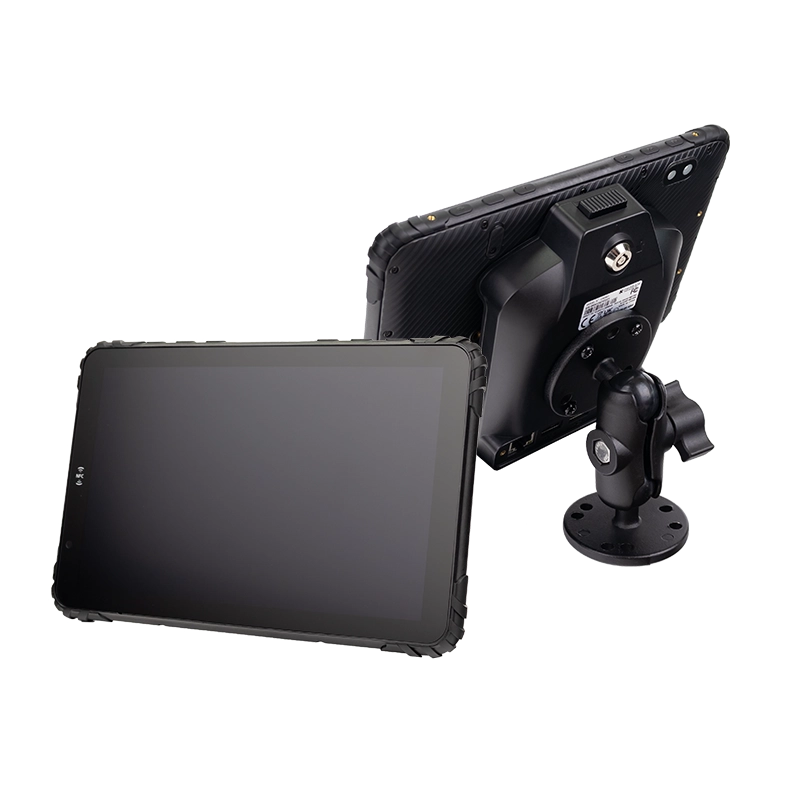
MDT865 Rugged MDT
8-inch rugged MDT with GPS, 4G, and CAN bus support for bus tracking.
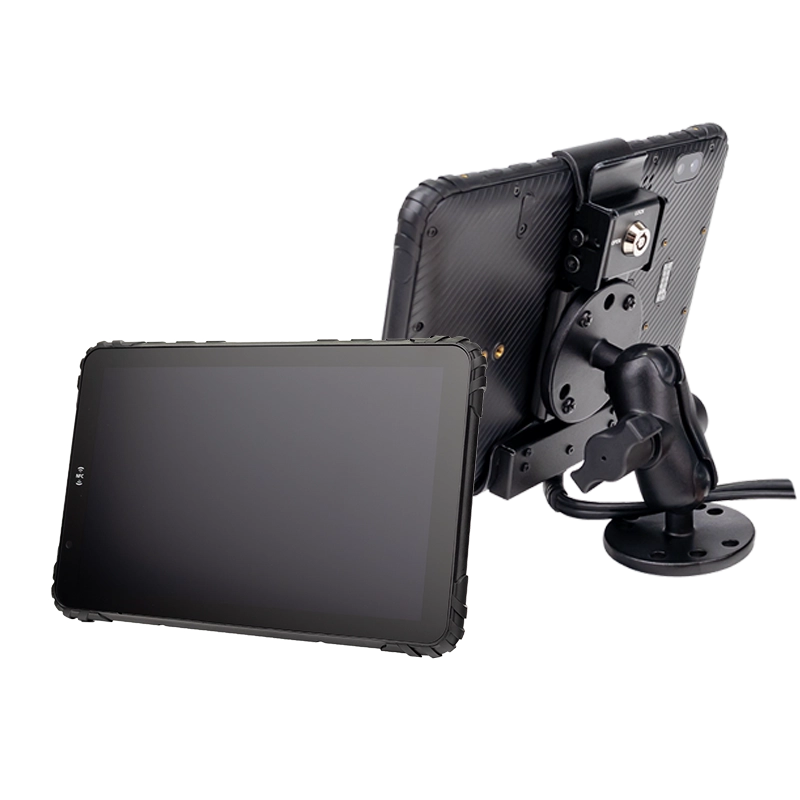
MDT880 5G MDT
8-inch 5G MDT with MIL-STD-810H and vehicle cradle for bus fleets.
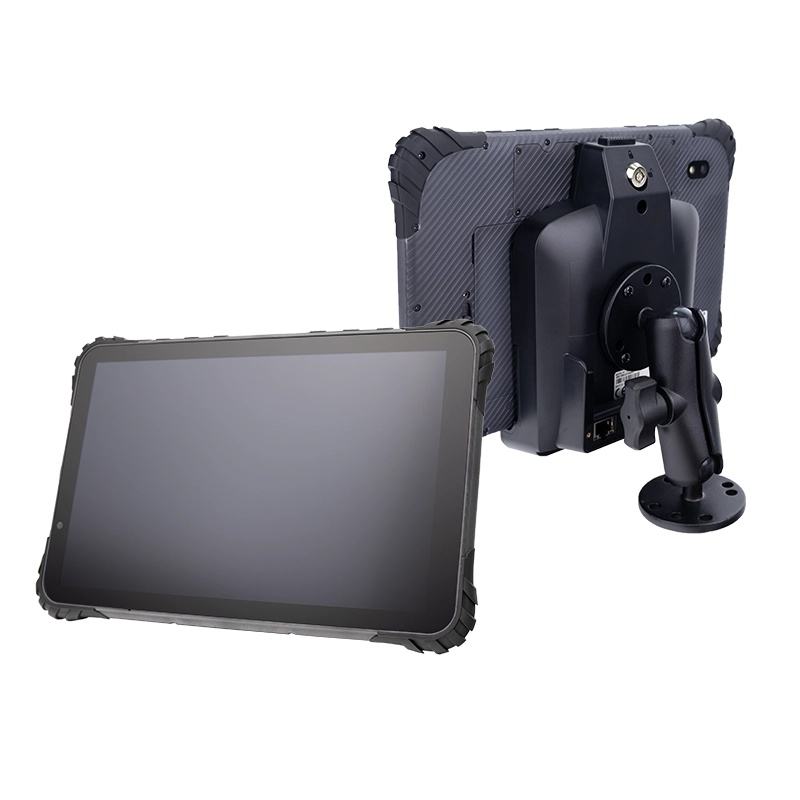
MDT1065 Fleet MDT
10-inch fleet MDT with multiple I/O for advanced bus telematics.
9. Future Trends in Public Transport Fleet Technology
The evolution of public transport technology is driving new requirements for onboard computing hardware:
Smart City Transportation: Integration with urban mobility platforms and traffic management systems.
5G Connectivity: High-bandwidth, low-latency communication for real-time video and data.
AI Fleet Analytics: Edge-based AI for driver behavior analysis and predictive maintenance.
10. Conclusion
Mobile data terminals serve as the onboard computing platform that enables modern bus tracking and fleet management systems. As the hardware foundation for real-time vehicle monitoring, driver communication, and system integration, rugged MDT devices ensure reliability and performance in demanding public transport environments.
For fleet operators and system integrators, choosing the right OEM hardware platform is essential for building scalable, future-ready bus tracking systems. Source transportation fleet hardware → or deploy rugged MDT platforms for public transport.
Related Public Transport & MDT Resources