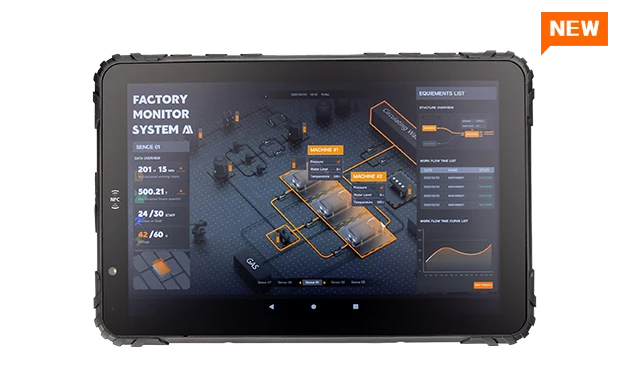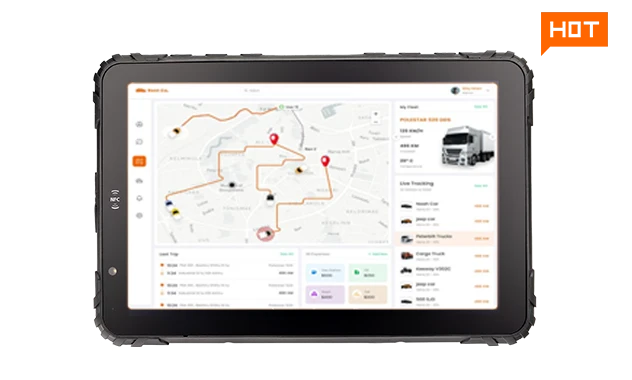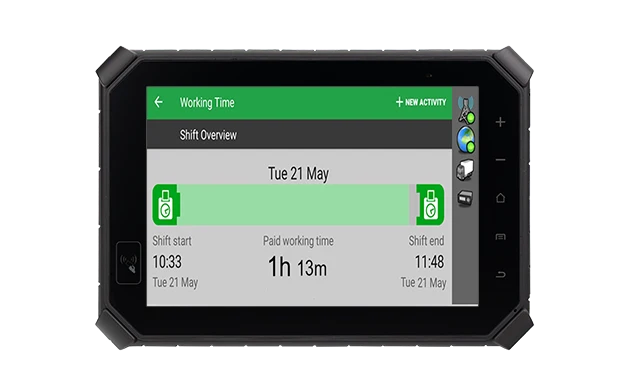
Fire Truck Fleet Telematics Case Study: Mobile Data Terminal for Emergency Vehicle Monitoring
How a regional fire department deployed rugged MDT865 tablets with CAN bus integration to monitor vehicle systems, improve fleet visibility, and accelerate emergency response coordination.
Customer Background
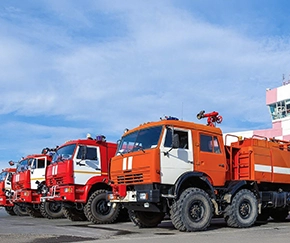
A regional fire department operating a fleet of firefighting vehicles required a reliable digital platform to monitor vehicle systems and improve operational coordination. Modern fire trucks contain numerous specialized components — water tanks, pump systems, sirens, emergency lighting, and equipment storage compartments — but accessing and monitoring these systems in real time was difficult using traditional dashboards and manual inspection.To improve fleet visibility and operational readiness, the department required a rugged mobile data terminal capable of integrating with the fire truck's CAN-based vehicle systems.
Challenges
Limited Visibility into Fire Truck Systems
Critical information — water tank levels, pump status, equipment readiness — was not centrally monitored, making it difficult to confirm vehicle readiness before dispatch.
Lack of Centralized Fleet Monitoring
Command centers had limited access to real-time vehicle status data, reducing situational awareness during emergency operations.
Communication & Coordination Gaps
Firefighters required a digital platform supporting navigation, mission coordination, and real-time communication.
Harsh Operating Environment
Emergency vehicles operate in high vibration, outdoor exposure, heat, and dust — consumer tablets were not reliable enough.
Solution: Mobile Data Terminal Integration for Fire Trucks
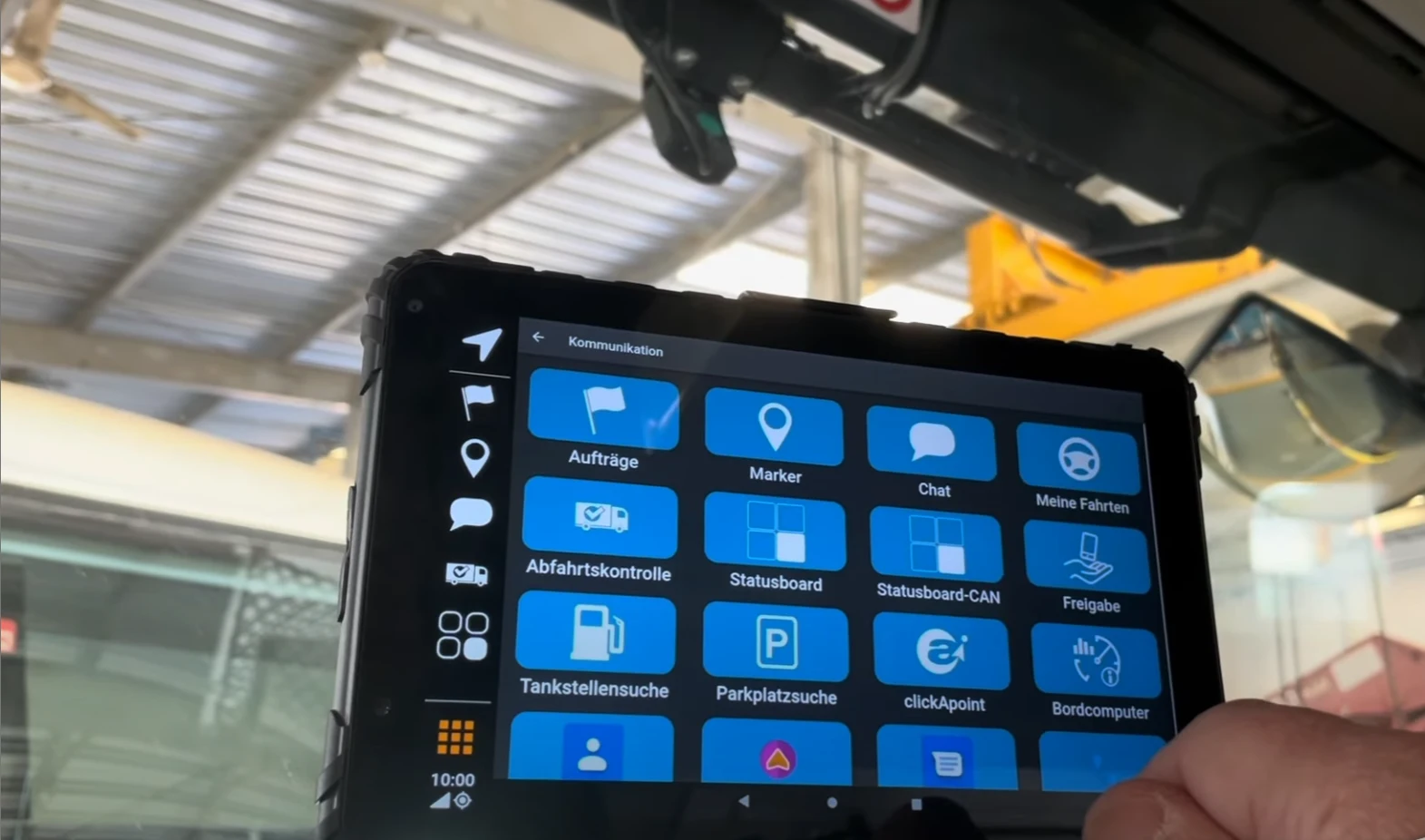
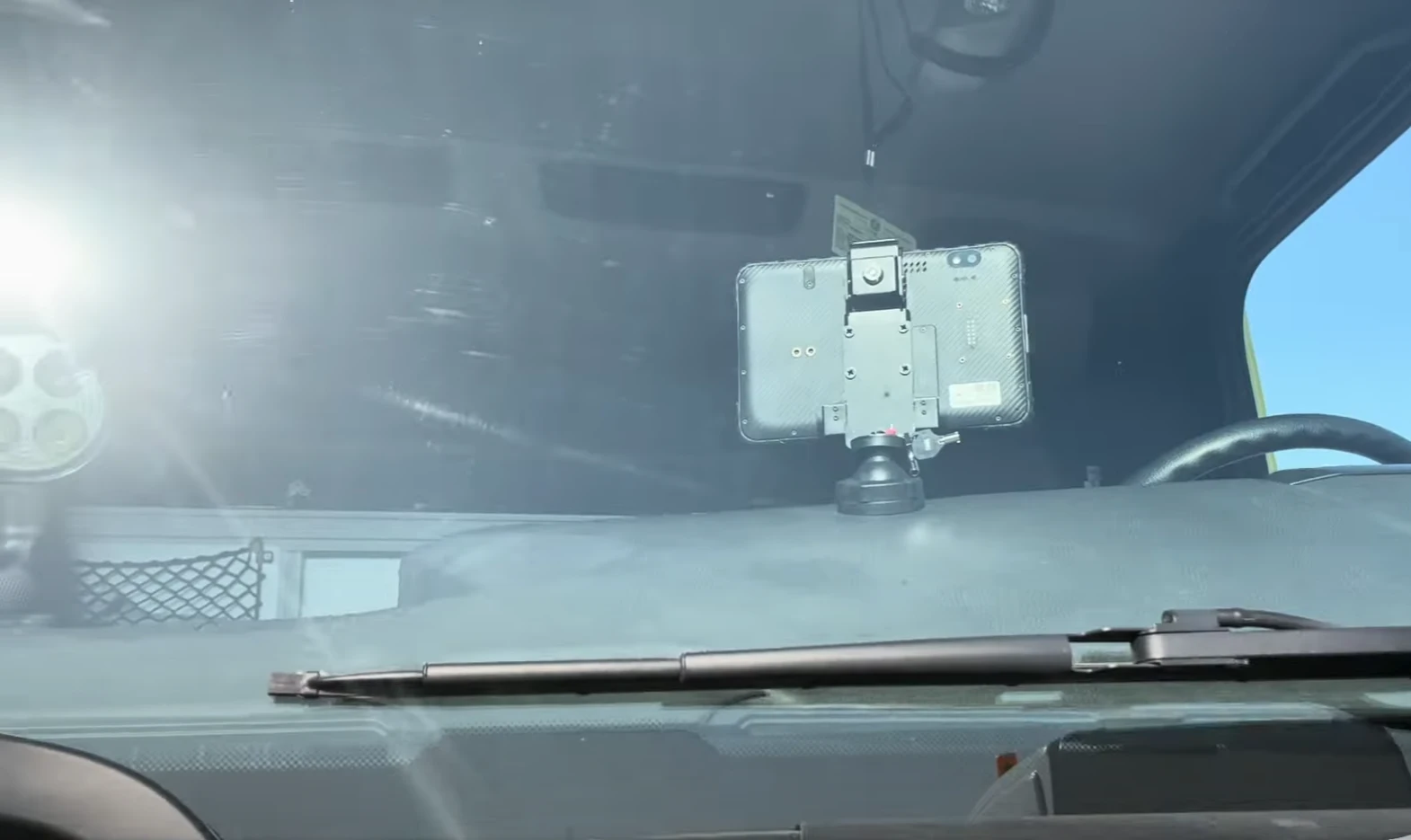
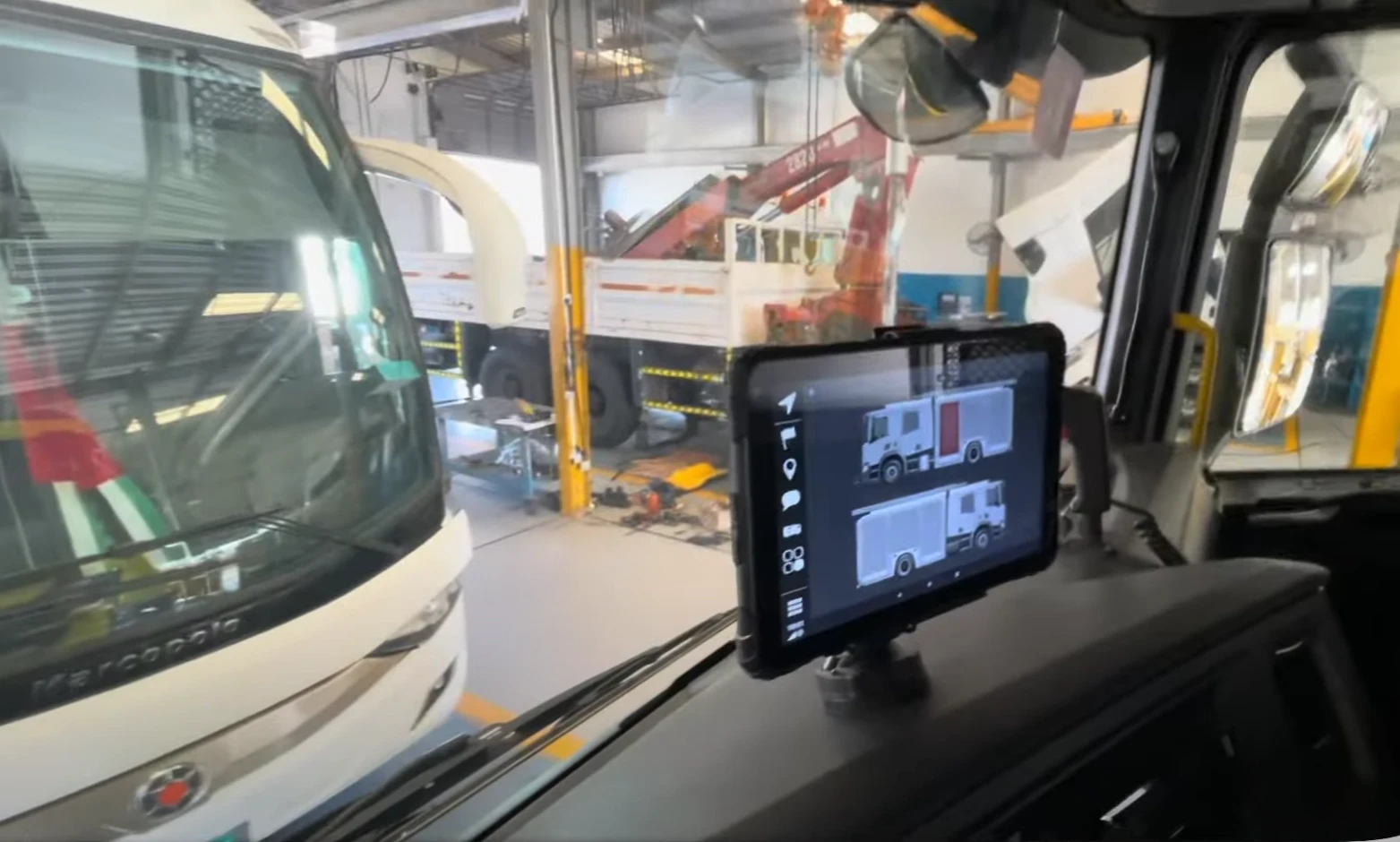
The fire department deployed rugged Android MDT865 Mobile Data Terminals installed inside firefighting vehicles. The MDT865 acts as a central vehicle monitoring and telematics platform, connected to the truck body system via the CANopen interface provided by the vehicle body manufacturer.
Firefighting Equipment Monitoring
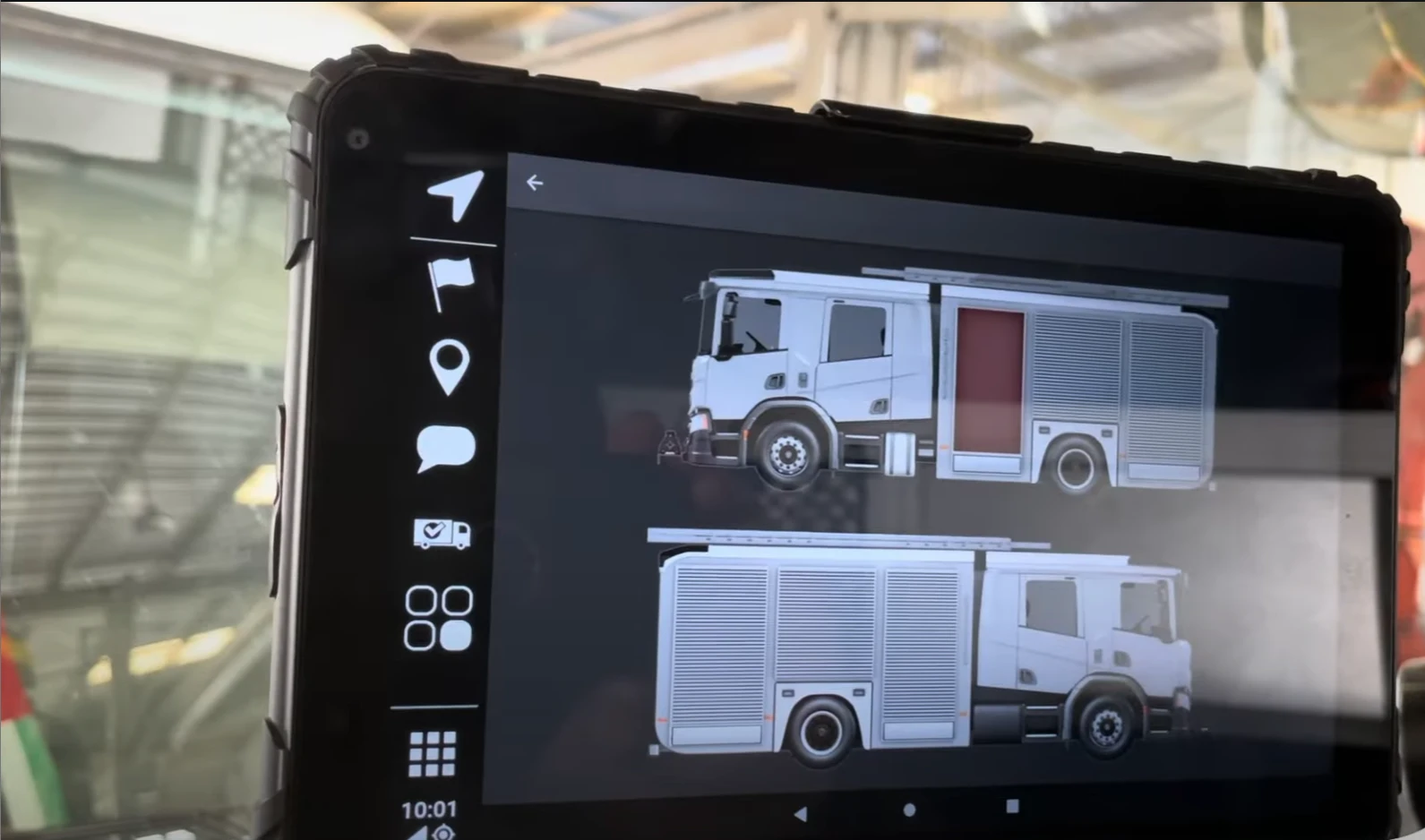
Through CAN integration, the system displays critical firefighting operational data in real time on the vehicle mounted tablet interface:
Vehicle Telematics & Diagnostics
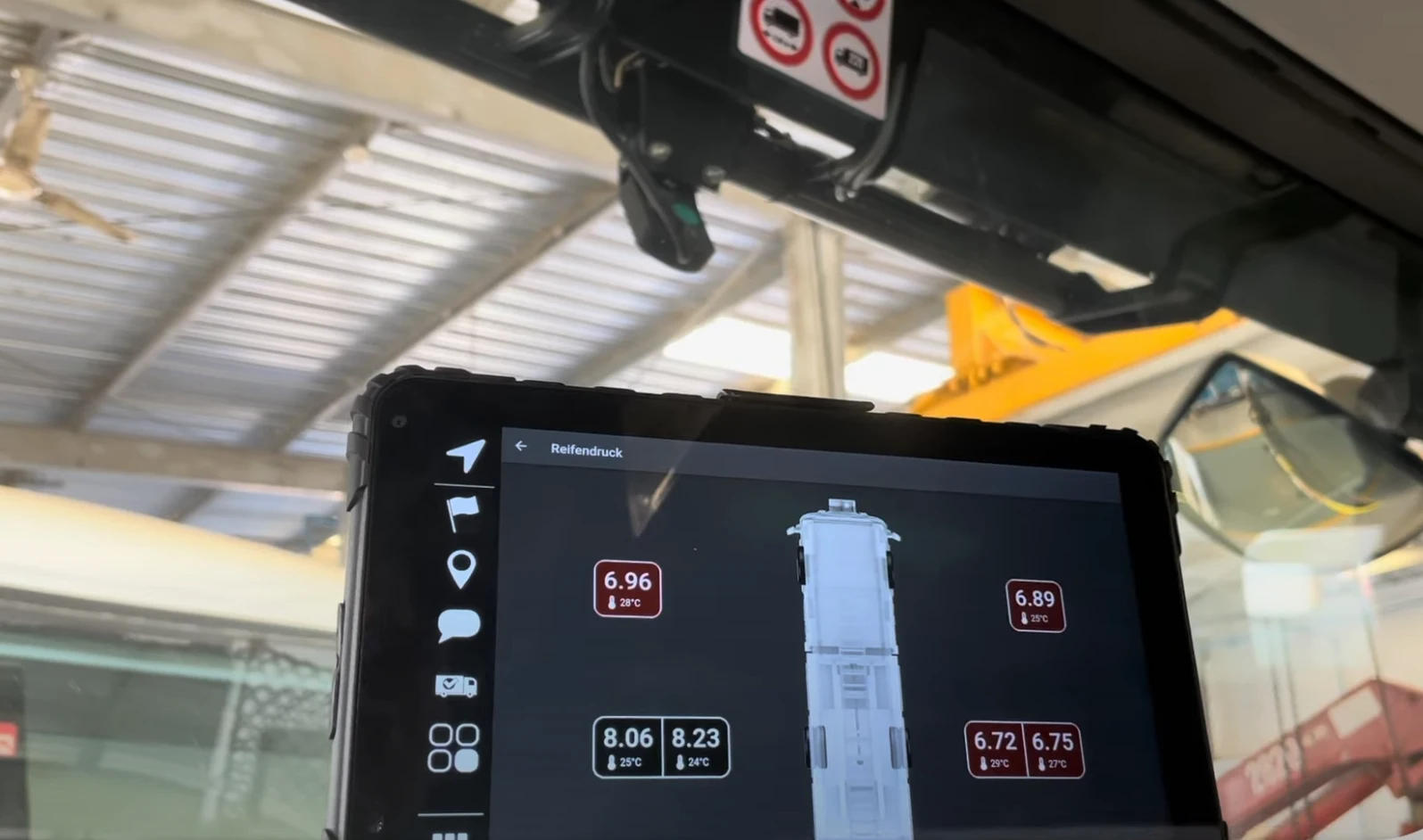
In addition to firefighting-specific data, the MDT captures standard vehicle diagnostics:
These data points are transmitted to the fleet management platform for centralized monitoring.
System Architecture
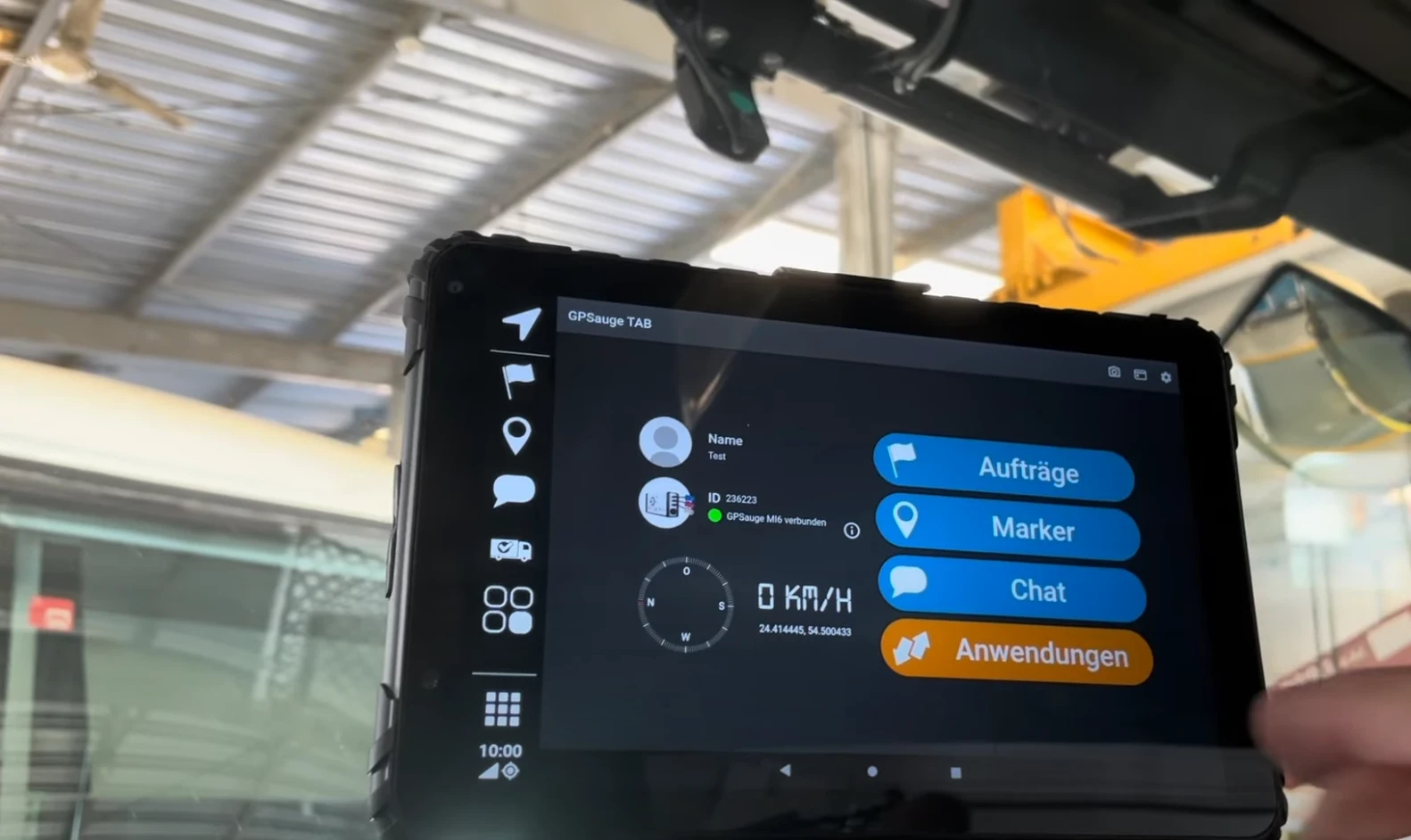
The MDT functions as the central data gateway inside the emergency vehicle.
Enhanced Operational Capabilities
Multi-Camera Video Monitoring
Switch between multiple camera inputs to provide live views around the vehicle for enhanced situational awareness.
Mission Navigation
Navigation software calculates optimized routes to emergency locations, helping drivers reach incidents faster.
Task & Order Management
Dispatch centers send tasks and operational instructions directly to vehicles in real time.
Real-Time Communication
Drivers and command centers communicate instantly through messaging or voice systems.
Rugged Reliability for Emergency Vehicles
Emergency services require equipment that can operate reliably in extreme environments. The MDT865 provides:
Results
Command centers verify equipment status before dispatch.
Real-time telematics across the entire fleet.
Integrated navigation improves coordination.
Zero failures despite harsh conditions.
Conclusion
Deploying rugged mobile data terminals in fire trucks enables fire departments to integrate vehicle monitoring, telematics, navigation, and communication into a single in-vehicle platform. This approach improves fleet visibility, operational readiness, and emergency response efficiency.
Learn more about Mobile Data Terminal solutions, explore the MDT resource hub, or inquire about OEM MDT customization for system integrators serving public safety agencies.
Explore More Emergency Fleet Solutions
Discover how rugged mobile data terminals are transforming fleet operations across public safety, transportation, and industrial sectors.